

Bug Test Article
In an era where software is at the heart of practically every aspect of daily life, ensuring the reliability and functionality of applications is critical. Bug testing, an essential phase of software development, is conducted to identify and resolve any errors or flaws before a product is released to the public. As developers strive to produce high-quality software, understanding the role of bug testing can differentiate between success and failure. Keep reading to delve into the fundamental aspects of bug testing and its paramount importance in delivering stellar software products.
Understanding the Importance of Bug Testing in Software Development

The development of software is a complex, multi-layered process, requiring meticulous attention to detail at every stage. Bug testing specifically serves as a crucial quality assurance measure, designed to verify that software products meet the required standards and function as intended. Without comprehensive testing, there is a heightened risk of deploying software riddled with issues that could lead to critical failures or security breaches, costing businesses time, reputation, and capital.
Moreover, bug testing helps in identifying potential improvement areas in the software’s usability and performance. It ensures that the application not only runs without faults but also delivers a seamless user experience. Developers rely on bug testing to refine their work, optimizing the software to the fullest before it reaches the end users. This preemptive measure prevents costly post-release patches and maintains developer credibility.
Testing is not the enemy of creativity but rather an ally of reliability. It verifies that the product’s functionality aligns with its design specifications and user expectations. The process of fixing bugs discovered during testing contributes to the software’s overall stability and robustness, encouraging a culture of continuous improvement and learning within development teams.
The demand for superior software underscores the critical role of rigorous bug testing protocols. Agile methodologies have further magnified the need for efficient and effective testing processes, as rapid development cycles leave little room for error. As such, investments in bug testing are not just a safeguard, but a cornerstone of delivering competitive and reliable software solutions in the market.
The Role of Bug Testing in Enhancing User Experience

User experience stands at the forefront of a software’s success. Bug testing is instrumental in fine-tuning a product to provide an intuitive, user-friendly interface that keeps customers satisfied and engaged. By catching and fixing problems before users ever encounter them, developers can avoid frustrations that might otherwise lead to negative reviews and decreased user retention.
Intermittent glitches and crashes can erode trust in the software, even if the core functionality is robust. Bug testing helps to ensure consistency in the user experience, no matter the type of user or the platform they’re on. This consistency is key to building a reliable brand image and an engaged user base that feels confident in the product’s performance.
In the era of social media and instant feedback, a single bug can result in a wave of public criticism. Proactive bug testing helps maintain a positive reputation as it demonstrates a commitment to quality and customer satisfaction. When users see that a company is dedicated to providing a bug-free experience, it boosts their confidence in the product and the brand.
Enhanced user experience is not solely about aesthetics or smooth interactions; it’s also about accessibility. Bug testing includes verifying that software is available and usable by people with different abilities. In being inclusive, software developers ensure they are not inadvertently excluding a segment of potential users, thereby reinforcing the product’s market position.
Strategies for Effective Bug Detection and Reporting
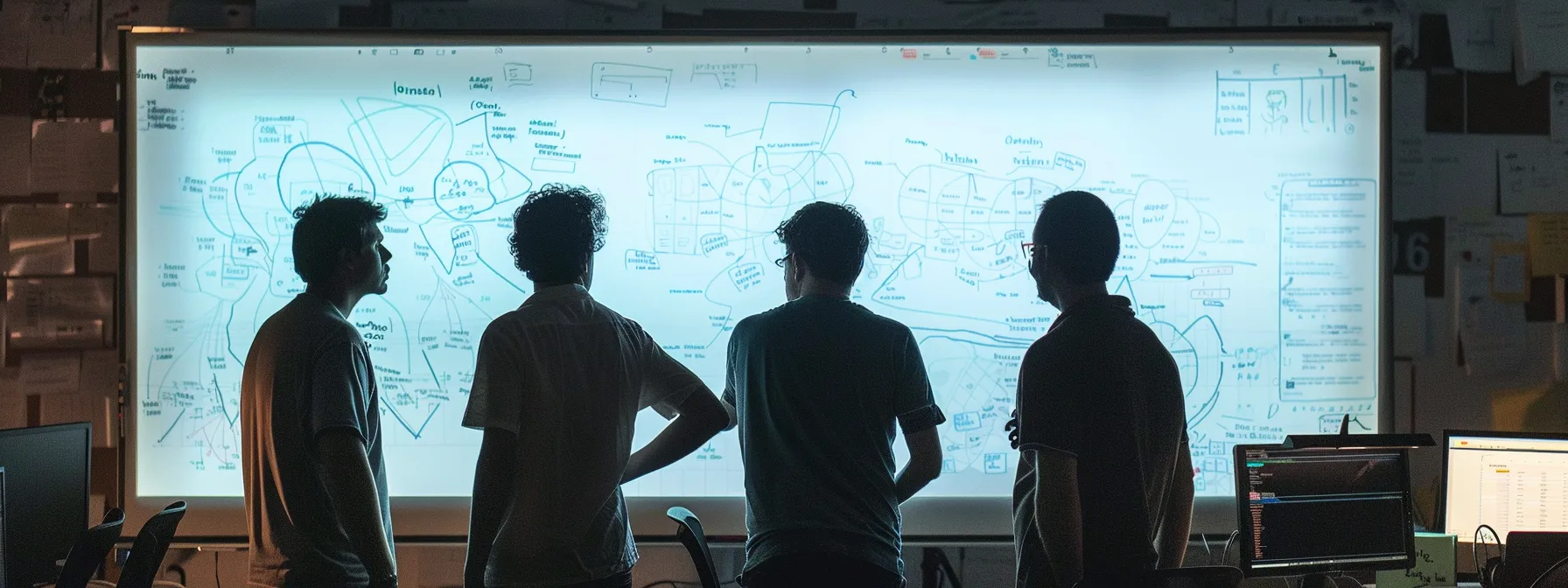
Effective bug detection begins with a well-thought strategy, which typically involves both automated and manual testing methods. Automation tools can quickly cover vast amounts of code and identify discrepancies, while manual testing allows for nuanced inspection of the software’s more subjective aspects, such as user experience and design coherence.
An important aspect of bug detection is the need for clear and detailed reporting. Developers benefit from comprehensive bug reports that precisely describe the problem, the conditions under which it occurs, and its frequency. This information is crucial for prioritizing which bugs to fix first based on their impact on the overall system.
Another key strategy is the adoption of continuous integration and continuous deployment (CI/CD) practices. CI/CD aims to integrate work frequently and test each integration, catching bugs as early as possible in the development cycle. With each integration being automatically tested, developers can quickly address issues before they compound.
Encouraging a culture of quality assurance within a development team is also essential. When everyone from developers to project managers understands the value of bug testing, the process becomes more efficient and effective. Collaboration and clear communication among team members can greatly enhance the detection and resolution of bugs.
Tools and Technologies That Revolutionize Bug Testing

Technological advancements have revolutionized the ways in which software is tested. Tools like Selenium, JIRA for bug tracking, and Jenkins for CI/CD facilitate thorough and efficient testing processes. These technologies enable testers to automate repetitive tasks, manage test cases, and track the status of identified bugs.
Artificial intelligence (AI) and machine learning are also starting to play a role in bug testing. These technologies can predict areas of the software where bugs are most likely to occur, optimize test cases based on historical data, and even detect bugs that may have been overlooked by human testers. This has the potential to drastically reduce the time required for testing, allowing for quicker releases.
Cloud-based testing platforms are becoming increasingly popular, as they offer the flexibility to test applications across a multitude of environments and devices without substantial investments in hardware. This is particularly important in ensuring software compatibility across different operating systems and devices.
Development teams are constantly on the lookout for new tools and methodologies that can further streamline the bug testing process. As they adopt these technologies, the efficiency and effectiveness of software testing will continue to improve. By staying abreast of technology trends, testers can ensure they are equipped to handle the evolving challenges in software development.
Best Practices for Integrating Bug Tests into Development Cycles

Integrating bug testing into development cycles requires careful planning and execution. One of the best practices is to implement test-driven development (TDD). TDD encourages developers to write tests before writing the corresponding code, which not only helps catch bugs early but also guides code design towards more testable and maintainable solutions.
Incorporating bug testing into sprints in an Agile environment ensures that issues are dealt with as they arise, rather than postponing them until the end of product creation. Regular and rigorous testing cycles, aligned with sprint goals, can mitigate the risk of accumulating technical debt due to unresolved bugs.
Peer reviews and pair programming are also effective practices for early bug detection. In these collaborative efforts, developers can spot potential issues in real-time, share knowledge, and refine their approach to reduce the likelihood of bugs. A second set of eyes on the code often catches issues that the original coder might have missed.
Last but not least, adopting a mindset of continuous testing and delivery where testing is not a separate phase but an integral part of every stage of software development is key. This continuous approach ensures that issues are identified and addressed on a rolling basis, promoting higher quality outcomes and a more reliable development process.
Altogether, the integration of bug testing throughout the software development lifecycle is a vital element for guaranteeing a high-quality product. Effective bug detection, testing tools, and best practices are critical components that work in tandem to enhance software reliability and user satisfaction. Overall, adopting a robust bug testing protocol is an indisputable investment for any development project.