

Types of Work Being Done in Research Facilities
Research institutions are bustling ecosystems where the pursuit of knowledge transcends fields, each advancing innovation and discovery. In these facilities, the work being done addresses a myriad of challenges, ranging from medical breakthroughs and technological advancements to societal issues and environmental sustainability. Each sector contributes significantly to advancing our understanding and improving our world.
Beneath the microscopes, within the data sets, and through countless hours of analysis, research facilities are uncovering solutions and expanding horizons. Below, we delve into the types of work that showcase the diversity and impact of research across multiple disciplines.
Exploring Biomedical Research and Drug Development
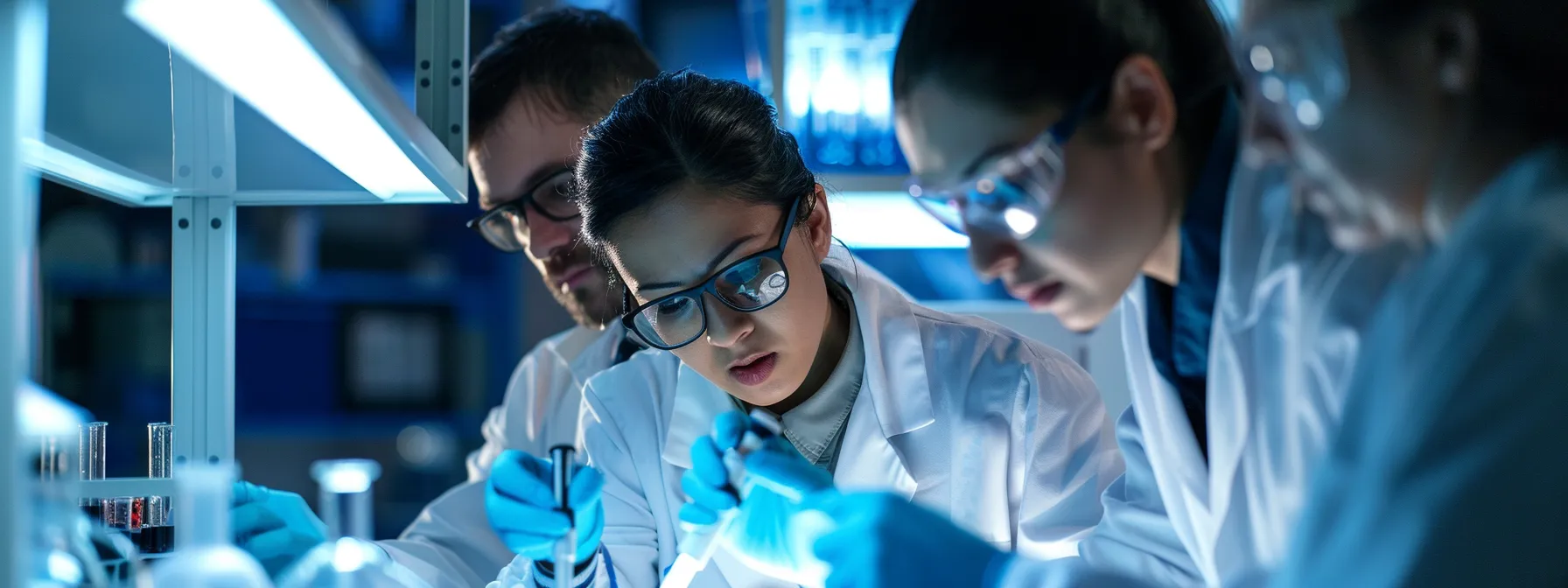
In the realm of health sciences, biomedical research and the development of new drugs are vital areas of work in research facilities. This field is marked by its dynamic, life-saving breakthroughs, with many institutions focusing on developing treatments for diseases that have eluded a cure. Trial phases, peer-reviewed publications, and collaborations with pharmaceutical companies are typical features of the landscape.
Advancements in personalised medicine and genomics are particularly notable, with facilities undertaking research on genetic markers to tailor treatments to individual patients. For instance, over the past few years, significant progress has been made in cancer immunotherapy and the development of targeted therapeutics. Using a Wholesale Peptide Distributor enhances the speed and efficiency of this work by providing the essential components for experimental trials.
For professionals seeking to engage in this sector, staying abreast of the latest biotechnological tools and methodologies is crucial, as is understanding regulatory pathways for drug approval. Collaboration across disciplines is often required to translate research findings from the lab bench to the bedside.
Innovation in Technology and Engineering Studies
Research facilities are also vanguards of innovation within technology and engineering. The development of new materials, the creation of sustainable energy solutions, and the advancement of robotics and artificial intelligence (AI) exemplify the work being performed. Such studies lay the foundation for future industries and infrastructure that could reshape societies worldwide.
Engineers and researchers collaborate to tackle challenges such as improving battery life and efficiency, enhancing digital security, and designing smart cities. Cutting-edge research in quantum computing and nanotechnology promises to unlock further advancements that could transform our digital and physical environments.
Participation in this domain means continuously evolving one’s technical skill set and engaging with multidisciplinary teams. Emerging engineers and technologists must be adaptable, embracing rapid change and technological convergence in their work.
Social Science Research: Understanding Human Behaviour
Understanding societal issues is another critical function of research facilities, as social science research provides insights into human behaviour, cultural dynamics, and economic patterns. This work informs policies, improves social welfare, and builds knowledge on human interactions and societal structures.
Recent studies might include investigating the psychological impacts of technology, analysing the effects of global migration, or understanding the dynamics of labour markets. The outcomes of this research have practical applications in areas like urban planning, public health, and international development.
Social scientists often engage in extensive field work, conducting surveys, interviews, and observational studies. For those looking to contribute to this field, it is vital to develop skills in data analysis, an in-depth understanding of ethical research practices, and the ability to communicate complex findings to a non-expert audience.
Environmental and Ecological Studies: Protecting Our Planet

Research facilities also devote significant effort to understanding and preserving Earth’s ecosystems. This includes studying the impacts of climate change, identifying conservation strategies, and developing technologies to mitigate environmental degradation.
Notable endeavours encompass tracking biodiversity loss, researching renewable energy sources, and analysing the interaction between human activities and the natural environment. These studies are instrumental in crafting responses to some of the most pressing environmental crises of our time, such as global warming and habitat destruction.
To contribute to this field, prodigious knowledge of ecological principles and environmental science is necessary. Researchers also engage in advocacy and policy development, translating their findings into actionable plans for sustainable development and conservation.
Through the concerted efforts of researchers and scientists across diverse disciplines, the frontiers of understanding continually expand, promising a future that is better informed, healthier, and more sustainable.